
Why Every Wedding Sounds Different


There is a moment at almost every wedding when the atmosphere seems to shift.
Sometimes, it happens during the ceremony, as the first notes of a meaningful song begin and conversations quietly disappear. Sometimes, it comes later, during the cocktail hour, when guests have relaxed, glasses are being raised and a familiar melody suddenly brings a group of friends together. On another wedding day, the most memorable musical moment might be almost invisible: a soft acoustic song playing while the couple steps away for a few minutes and takes in everything happening around them.
These moments cannot be reproduced exactly.
Even when the musician is the same, the guitar is the same and some of the songs are the same, no two weddings ever truly sound alike.
That is because live wedding music is shaped by much more than a setlist. The personalities of the couple, their story, the venue, the guests, the location, the weather and even the energy of a particular moment all influence how music is experienced.
Understanding this changes the way we think about wedding music. Instead of simply choosing songs, couples can create a musical atmosphere that feels deeply connected to their celebration.
Why Every Wedding Sounds Different
Every wedding sounds different because live music responds to the couple, the venue, the guests and the atmosphere of the day, creating moments that cannot be reproduced exactly anywhere else.
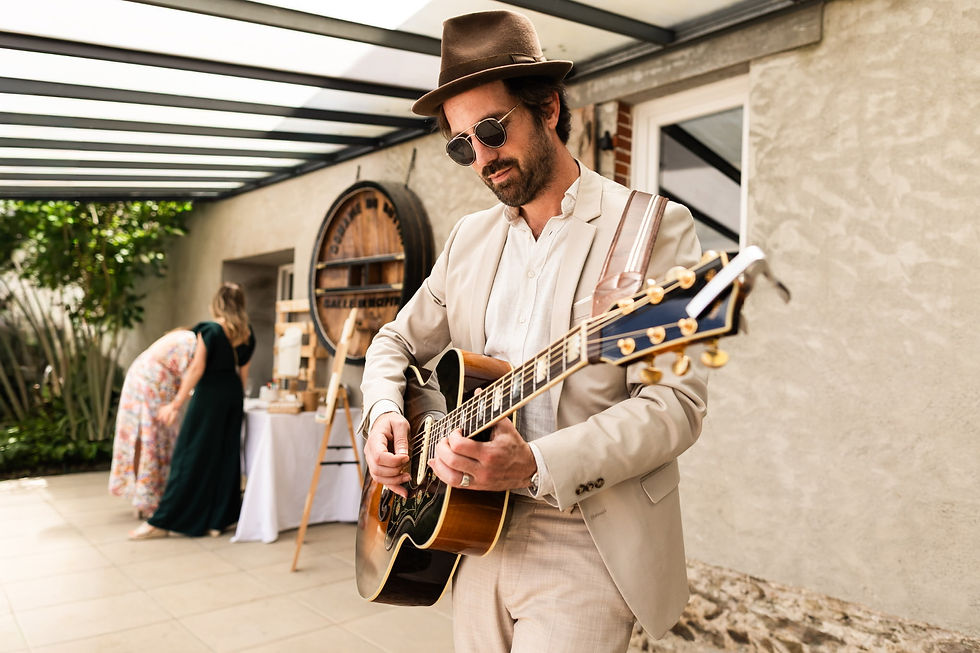
Live music has something that a perfectly prepared playlist cannot completely reproduce: it exists in the moment.
A musician may arrive with a carefully prepared repertoire, a clear understanding of the couple's musical preferences and a detailed plan for the different parts of the celebration. But once the wedding begins, something else becomes part of the performance: the people who are actually there.
A ceremony that feels deeply intimate will naturally invite a different musical approach from one filled with laughter and spontaneous applause. A cocktail reception overlooking the Mediterranean will develop differently from an autumn celebration inside a château in Normandy. A group of guests who immediately start singing along will change the energy of a performance in a completely different way from guests who prefer to listen while enjoying conversations.
None of these situations is better than another.
They are simply different.
And this is precisely what makes live music interesting at a wedding. The performance is not isolated from the celebration. It becomes part of it.
The Couple Is Where the Music Begins

Before thinking about the venue, the guests or even the repertoire, there is one element that influences everything else: the couple.
Music is deeply personal. Two people can hear exactly the same song and associate it with completely different memories.
A song might remind one couple of the beginning of their relationship. Another might have discovered it during a road trip. A particular artist might have been playing during their first holiday together. Sometimes the connection is much simpler: they simply love the song.
These associations give music emotional weight.
That is why choosing wedding music is not necessarily about finding the songs that are traditionally associated with weddings. It is about identifying music that feels connected to the people getting married.
For some couples, that means timeless soul, jazz and classic love songs. Others naturally gravitate towards folk music, acoustic pop or songs from the 1990s and 2000s. Some want French classics to reflect their wedding destination, while others want songs connected to their own country or family traditions.
The musical identity of a wedding can therefore emerge from many different influences:
songs connected to important moments in the couple's relationship;
artists they regularly listen to together;
music associated with their families or cultures;
songs that reflect the atmosphere they imagine for the wedding;
personal requests that would never appear on a typical wedding playlist.
These choices gradually create something much more interesting than a collection of popular songs. They create a musical identity for the celebration.
And once that identity exists, the musician can interpret it rather than simply reproduce it.
The Same Song Can Tell a Different Story

One of the fascinating things about live music is that a song is never completely fixed.
Take a song that appears at thousands of weddings around the world. Its melody and lyrics remain the same, but its emotional meaning can change entirely depending on when, where and why it is performed.
Played while guests arrive for the ceremony, it might feel gentle and welcoming.
Performed during the entrance of the bride or groom, the same song can suddenly carry enormous emotional weight.
Played acoustically during the cocktail hour, it might become warm, familiar and relaxed.
Later in the evening, surrounded by friends singing along, it could become something joyful and collective.
The notes have not changed dramatically.
The context has.
This is particularly important when couples choose songs that already have a personal meaning. Live interpretation allows those songs to belong to the wedding rather than simply being played at the wedding.
Tempo can be slightly adjusted. Dynamics can evolve. A guitar arrangement can become more delicate. A chorus can be allowed to breathe. Sometimes simplicity makes a familiar song feel completely new.
The aim is not necessarily to transform every song beyond recognition.
It is to give it enough space to exist naturally within the moment.
The Venue Becomes Part of the Performance
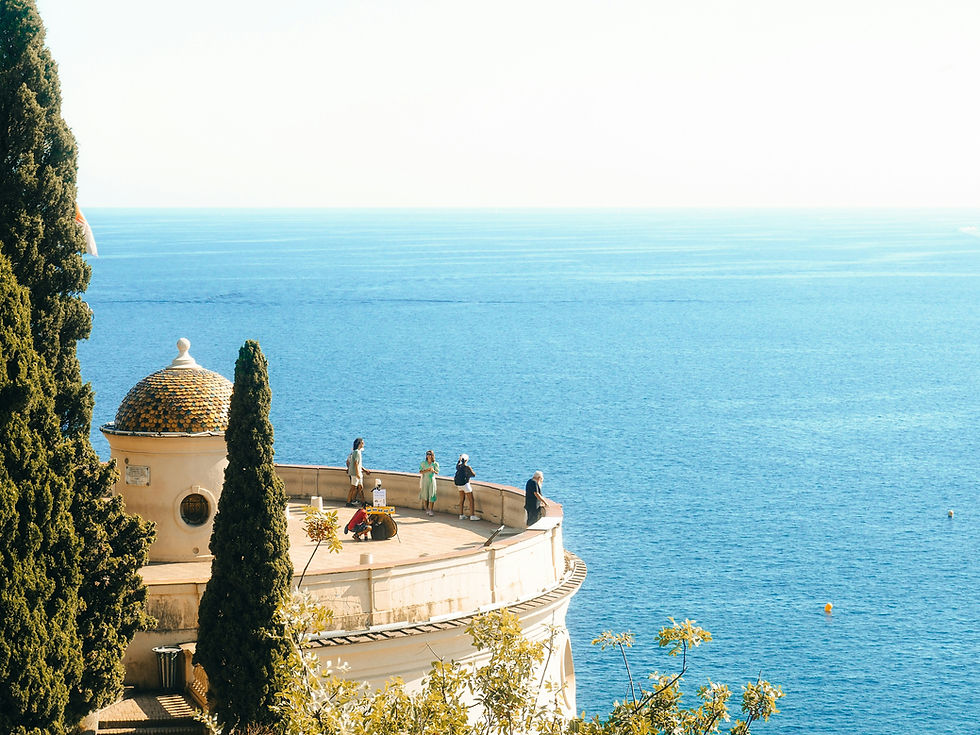
A wedding does not happen in a neutral space.
The venue influences almost everything: how people move, how they interact and how sound travels.
This is especially noticeable at destination weddings in France, where the setting is often one of the reasons couples have chosen to celebrate there in the first place.
A Provençal estate surrounded by olive trees does not create the same atmosphere as a château in the Loire Valley. A seaside terrace on the French Riviera feels completely different from a candlelit dinner inside a historic stone building.
The music naturally becomes part of these environments.
An outdoor cocktail hour on a warm summer evening may encourage something bright, relaxed and rhythmic. A ceremony in a small chapel may call for more restraint and space between the notes. A large château terrace filled with conversation may benefit from a slightly more energetic performance.
The acoustics also matter.
Stone walls, high ceilings, gardens, courtyards and open landscapes all react differently to sound. Professional live music therefore involves more than selecting the appropriate songs. The sound itself must be adapted to the environment so that the performance feels present without overwhelming the celebration.
When this balance is right, guests do not necessarily think about amplification or acoustics.
They simply feel that the music belongs there.
Guests Change the Energy of Live Music

A musician may prepare extensively before a wedding, but one element can never be fully predicted: the guests.
And that is a good thing.
Every group has its own personality.
Some wedding parties are immediately expressive. Guests sing, clap, make requests and gather close to the musician. Others prefer an elegant background atmosphere while conversations remain at the centre of the cocktail hour.
Both can create wonderful celebrations.
The important thing is recognizing what is happening and responding appropriately.
During a cocktail reception, for example, the energy can evolve considerably over two hours. The beginning may be relatively calm as guests collect drinks and greet each other. Later, conversations become louder, people move around more freely and the atmosphere naturally becomes more energetic.
A live musician can follow that progression.
The repertoire can gradually move from softer material towards songs with stronger rhythms and more recognizable choruses. If guests begin interacting with the performance, that energy can be encouraged. If people are deeply engaged in conversations, the music can remain elegant and supportive rather than demanding attention.
Several signals can influence the direction of a live performance:
the volume and energy of conversations;
whether guests are actively listening or socializing;
spontaneous singing or clapping;
the arrival or departure of the couple;
changes in the schedule;
the transition towards dinner or another part of the celebration.
Reading these signals is part of performing at weddings.
A setlist provides a structure. The room — or garden, terrace or courtyard — decides how that structure comes to life.
The Wedding Day Has Its Own Rhythm
A wedding is not one continuous event with a single emotional tone.
It moves through different phases.
There is anticipation before the ceremony. Concentration during the vows. Relief and excitement immediately afterwards. Conversations and celebration during the cocktail hour. A more intimate atmosphere around dinner. Then, often, a gradual transition towards the energy of the evening.
Music can help connect all of these moments.
Moment | Musical role | Typical atmosphere |
Guest arrival | Welcome guests gently | Calm, elegant, anticipatory |
Ceremony | Support meaningful moments | Emotional, intimate |
Ceremony exit | Mark the celebration | Joyful, uplifting |
Cocktail hour | Create atmosphere and movement | Warm, relaxed, social |
Dinner | Complement conversation | Refined, understated |
Early evening | Build energy | Rhythmic, engaging |
This does not mean every wedding should follow the same musical progression.
Quite the opposite.
The table simply illustrates how dramatically the purpose of music can change throughout a single day. The musician's role is to understand these transitions and adapt the performance accordingly.
When the transitions feel natural, music can quietly guide guests from one atmosphere to another without them consciously noticing it.
Some of the Best Moments Are Unplanned

Planning is essential at a wedding.
The important musical moments of the ceremony need to be prepared carefully. Special requests should be discussed in advance. Technical requirements need to be anticipated. Coordination with planners and other vendors helps ensure that everything happens smoothly.
But preparation should not remove spontaneity.
In fact, some of the most memorable moments happen precisely because nobody planned them.
A guest might recognize a song and start singing.
A group of friends might gather closer to the musician.
The couple might suddenly begin dancing during the cocktail hour.
Someone might make an unexpected request that happens to be part of the repertoire.
A song that was originally intended as background music might unexpectedly become one of the moments everyone remembers.
These situations are difficult to manufacture intentionally.
Trying too hard to create a "spontaneous moment" usually defeats the purpose. What live music can do instead is leave enough flexibility for those moments to happen naturally.
This is one of the reasons I prefer to think of a wedding repertoire as a musical vocabulary rather than a rigid sequence.
Preparation gives the musician options.
Experience helps determine when to use them.
Weather Can Change the Sound of a Wedding
Weather is rarely included when couples think about the musical identity of their wedding, yet it can have a surprising influence on the atmosphere.
Imagine a cocktail hour outside a château in late summer.
The weather is warm, the light is soft, guests naturally spread throughout the gardens and conversations unfold slowly over drinks. The environment may encourage a relaxed, spacious style of performance.
Now imagine exactly the same wedding with unexpected rain.
Guests move inside. Everyone is physically closer. Conversations become concentrated in fewer rooms. The acoustics change. The atmosphere becomes more intimate.
The original musical plan may still work perfectly, but the way it is performed might need to evolve.
This illustrates something important about live wedding music: adaptability is not a compromise.
It is part of the craft.
A wedding is a living event, and the ability to respond to changing circumstances helps preserve the atmosphere the couple originally wanted, even when the day unfolds differently from the plan.
Culture and Destination Shape the Repertoire
Destination weddings often bring several cultures into the same place.
A couple may live in the United States, Australia or the United Kingdom while celebrating their wedding in France. Their families may come from different countries.
Guests may speak several languages. Meanwhile, the château, vineyard, coastline or village surrounding them creates another cultural influence.
Music can connect these worlds.
A repertoire might include international pop and folk classics alongside French songs. Another wedding might incorporate Italian, Spanish or Latin influences because of the couple's heritage or memories.
The goal is not to create a catalogue of nationalities.
It is to recognize that music can make different groups of people feel included.
Certain songs have an extraordinary ability to cross generations and cultures. A melody begins and guests who may have met only a few hours earlier suddenly share the same reference.
At international weddings, these moments can be particularly powerful.
The right repertoire can create familiarity in an unfamiliar place while still allowing the destination itself to influence the atmosphere.
A Setlist Should Be Prepared — But Not Imprison the Performance
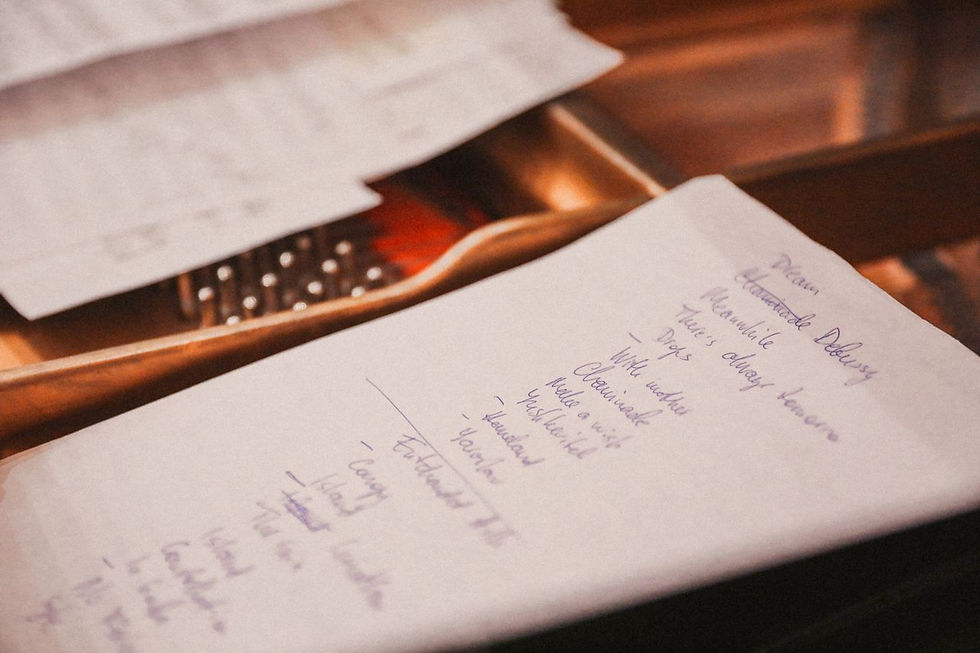
Couples sometimes imagine that a wedding musician arrives with a predetermined list of songs and performs them from beginning to end.
In reality, a good setlist is better understood as a framework.
Preparation remains essential. The musician should know which songs the couple loves, which ones they dislike, which special requests are important and what general atmosphere they want to create.
But not every decision needs to be made months in advance.
Leaving some flexibility allows the performance to respond to what actually happens.
A useful balance can include:
carefully prepared songs for key moments;
several personal requests from the couple;
a clear understanding of their musical preferences;
songs or artists they specifically do not want;
enough freedom for the musician to adapt to the guests and atmosphere.
This approach keeps the musical experience personal without making it rigid.
It also allows the couple to enjoy the wedding rather than trying to control every song that will be heard.
They have already defined the direction.
The musician's responsibility is to interpret it.
Live Music Is a Conversation

The word "performance" can sometimes suggest a separation between musician and audience.
At many weddings, however, live music feels much more like a conversation.
Not necessarily a literal one.
It is an exchange of energy.
The musician plays something. Guests react. The next musical choice responds to that reaction. The couple enters the space and the atmosphere shifts again.
This interaction can be extremely subtle.
Perhaps guests become quieter during a particular song.
Perhaps several people begin singing the chorus.
Perhaps a table starts tapping along with the rhythm.
Perhaps nobody visibly reacts at all, but the room feels comfortable and conversations continue naturally.
All of these reactions contain information.
A wedding musician needs to understand when to become more present and when to disappear slightly into the atmosphere.
That distinction is important.
Live music does not need to be the centre of attention throughout the entire wedding.
Sometimes its role is to create a beautiful background.
At other moments, it deserves everyone's attention.
Knowing the difference is one of the things that allows a performance to feel natural.
The Emotional Experience Matters More Than the Perfect Playlist

It is easy to spend a great deal of time trying to create the perfect wedding playlist.
And choosing music carefully is worthwhile.
But the emotional impact of wedding music rarely comes from creating a technically perfect sequence of songs.
People remember how moments felt.
They remember hearing a familiar melody while walking towards the ceremony.
They remember looking around during the cocktail hour and seeing everyone they love gathered in the same place.
They remember a parent becoming emotional during a particular song.
They remember friends unexpectedly singing together.
They remember the strange and beautiful feeling of realizing that the wedding they spent months planning is actually happening.
Music becomes attached to these memories.
That is why a song heard years later can suddenly bring someone back to a specific place, a particular afternoon or even a tiny detail they thought they had forgotten.
The musician cannot manufacture those emotions.
But live music can give them a place to exist.
What Couples Can Do to Make Their Wedding Sound Like Them
Creating a personal musical atmosphere does not require choosing every song individually.
In many cases, providing the right information is more valuable than providing an enormous playlist.
Think about the music you genuinely listen to together. Consider the songs connected to meaningful memories. Identify artists you love and, just as importantly, music that does not feel like you.
You can also think beyond individual songs.
How should the ceremony feel?
Do you imagine the cocktail hour as sophisticated and understated, or warm and lively?
Do you want guests to interact with the musician, or should music remain primarily atmospheric?
These descriptions help establish direction.
Specific requests can then become emotional landmarks within the broader performance.
This creates a balance between intention and spontaneity.
The couple provides the story.
The musician creates the soundtrack around it.
Why Experience Matters

From the outside, performing music at a wedding can look relatively straightforward.
Learn the songs, arrive at the venue and play.
In practice, weddings require a particular kind of musical experience because so many variables exist simultaneously.
Timings move.
Guests arrive earlier or later than expected.
Speeches run long.
The weather changes.
A ceremony starts fifteen minutes late.
The cocktail hour moves indoors.
A planned transition suddenly needs to happen immediately.
The musician must adapt without allowing these changes to become visible problems for the couple or their guests.
This is where experience matters.
Technical preparation, repertoire knowledge and professional equipment are important, but so are observation and judgement.
Should another song be played before the ceremony begins?
Should the cocktail set become more energetic?
Should a quiet moment be allowed to remain quiet?
Should the musician wait thirty seconds before beginning the next song because something meaningful is happening nearby?
These decisions are rarely written into a schedule.
They happen in real time.
And collectively, they shape the experience.
No Two Performances Can Ever Be Completely Repeated
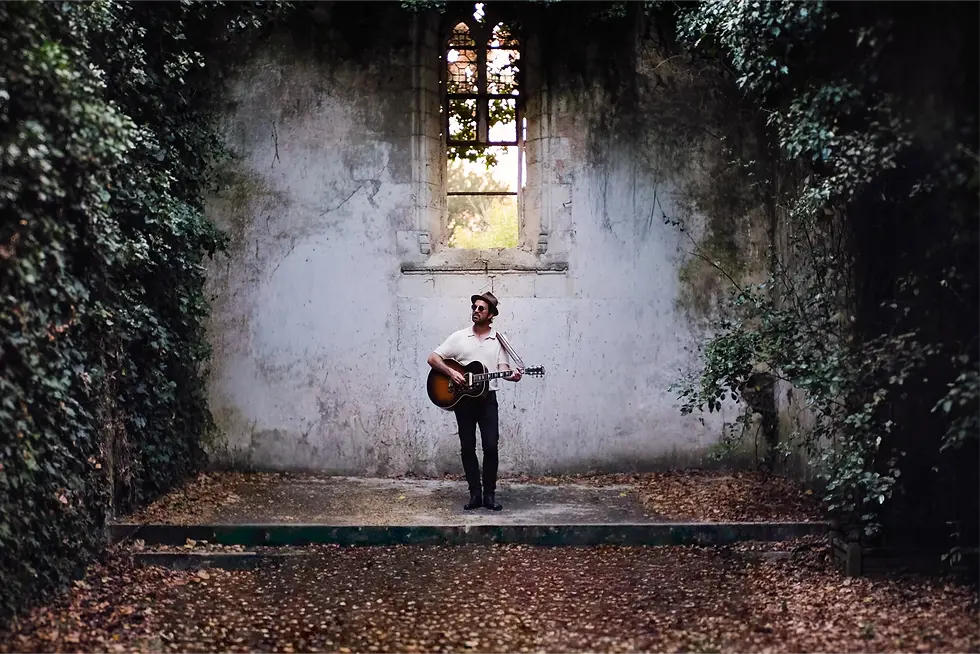
A recording can be replayed exactly.
A live performance cannot.
Even if I performed the same twenty songs at two weddings, in the same order, with the same guitar, the experience would still be different.
Different people would be listening.
Different memories would be attached to the songs.
The architecture would change the sound.
The weather would influence the atmosphere.
Guests would react differently.
The couple would bring their own story.
One song might pass quietly during one wedding and unexpectedly become the defining moment of another.
This unpredictability is not a flaw in live music.
It is its greatest strength.
Weddings themselves are unique combinations of people, places and emotions. Live music simply reflects that reality.
Perhaps this is why the performances I remember most clearly are rarely defined by technical details.
I remember places.
I remember reactions.
I remember unexpected requests.
I remember a particular group of guests suddenly singing together.
I remember moments when a song seemed to arrive at exactly the right time.
Those experiences cannot be copied and pasted into another wedding.
Nor should they be.
Your Wedding Does Not Need to Sound Like Anyone Else's
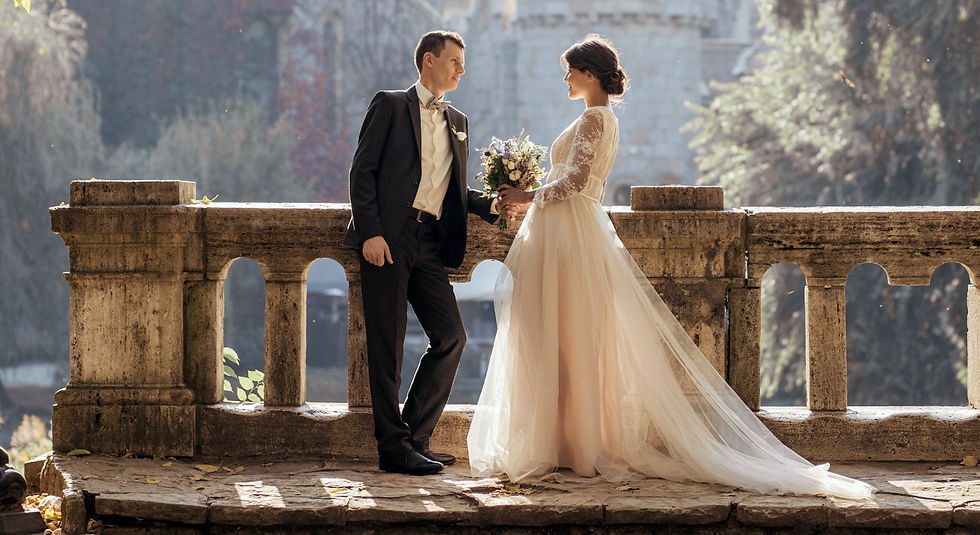
Wedding inspiration is everywhere.
Couples can find thousands of playlists, ceremony song recommendations and examples of beautiful celebrations online. These resources can be useful, especially at the beginning of the planning process.
But inspiration should not become a template.
Your wedding does not need the same ceremony entrance song as another couple because it looked beautiful in their video.
Your cocktail hour does not need to follow a particular playlist because those songs are currently popular.
And your musical choices do not need to make sense to everyone else.
They need to make sense to you.
The most memorable wedding music often comes from combining thoughtful preparation with enough freedom for the day to develop naturally.
Choose the songs that matter.
Share the atmosphere you imagine.
Tell your musician what you love.
Tell them what you do not.
Then leave enough room for something unexpected to happen.
Because ultimately, the reason every wedding sounds different is also the reason every wedding feels different.
The people are different.
The place is different.
The story is different.
And for one particular day, all of those elements exist together only once.
Conclusion
Every wedding sounds different because live music responds to the couple, the venue, the guests and the atmosphere of the day, creating moments that cannot be reproduced exactly anywhere else.


